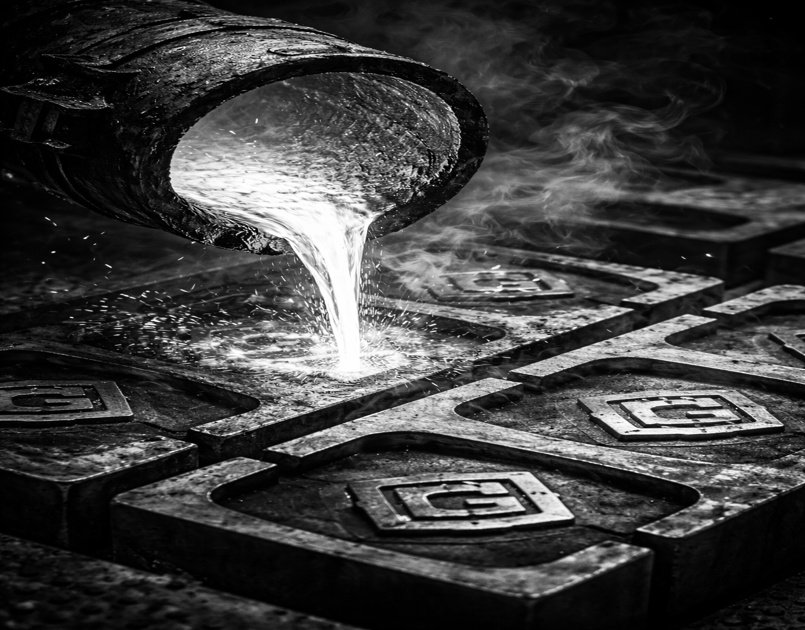
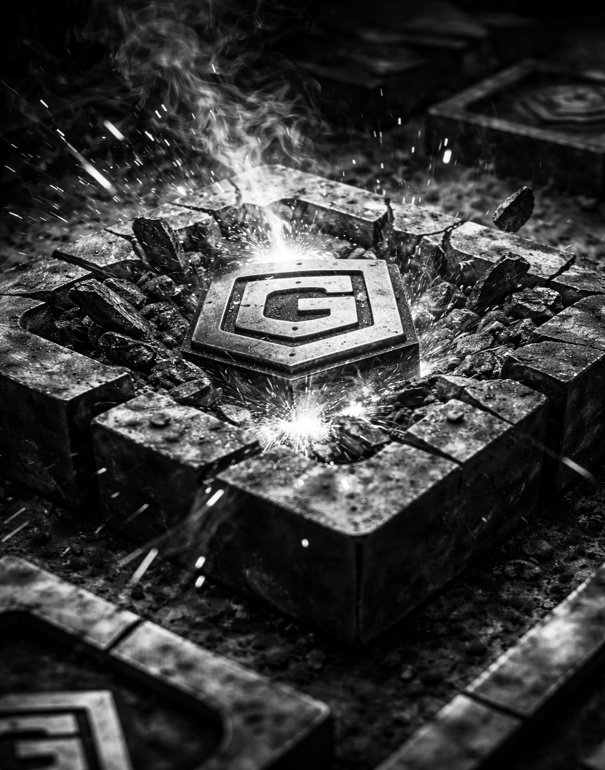
Good merchandise isn’t decoration. It carries the brand into everyday life. We design brand assets and merchandise that feel considered, useful, and worth keeping. Things people choose to use, or dispay with pride, not things they forget in drawers.
We begin by asking why the merchandise needs to exist. Who it is for. And what it should say about the brand. If it has no purpose, it doesn’t get made.
We design with use in mind. Form, material, and function are considered together. The goal is simple. Make something people actually want to keep.
We pay close attention to finish, durability, and feel. Small details matter more in physical objects because they live longer.
We manage production closely. Timelines, vendors, and quality checks are handled carefully so what arrives matches what was designed.

If it is not beautiful, it won’t be retained. If it isn’t useful, it won’t be used.
Fewer things. Higher quality.
Materials and finishes speak louder than logos.
Assets should feel like they belong together.
Design means nothing if execution fails.
Employee and Partner touchpoints
Objects that represent culture and belonging.
Milestone moments
Recognitions, and long-term keepsakes.
Brand systems
When assets need to stay consistent across teams and time.
Yes. Respectfully, but firmly.
Not to be difficult, but to get to the real problem. If the brief is right, we move fast. If it isn’t, we fix that first.
Neither. We start with clarity.
Once the problem is clear, strategy and ideas follow naturally. We don’t force creativity before understanding.
Very.
We don’t disappear after presentations. The same people stay involved through execution to make sure the work holds up.
One clear direction.
We believe clarity beats choice. Options are explored internally, but what you see is what we recommend.
Those who value thinking, trust judgement, and care about outcomes.
If you want quick decoration or endless options, we’re not the right fit.
Yes.
We’re used to complexity, multiple stakeholders, and long timelines. Clarity and documentation are core to how we work.
No. And that’s intentional.
We work best where the problem matters, the stakes are real, and the work needs to last